
Reviewed · PODGORICA TOURS
MONASTERY TOUR – Impressive Montenegrin Monasteries
Montenegro’s most striking monastery is Ostrog, carved into a near-vertical cliff high above the plain. This private day tour gives you more than the famous pilgrimage site: you also visit the cave monastery at Dajbabe, the modern Cathedral of Christ’s Resurrection in Podgorica, and the resilient women’s monastery at Ždrebaonik.
I like the private format, since guides such as Tamara, Ivan, and Moawiyah can adjust the pace, arrange breaks, and explain religious customs without rushing your group. I also like the range of places, from an intimate cave shrine to a huge modern church. The main consideration is time. Seven hours is a full day, and Ostrog can be crowded, so this is sightseeing with a spiritual focus rather than a slow, leisurely outing.
Key points to know before booking
- Dajbabe begins the day with a cave-shaped church formed in natural rock.
- The Cathedral of Christ’s Resurrection offers a sharp contrast to the old monasteries.
- Ždrebaonik is a working women’s monastery with icons, souvenirs, a library, and dormitories.
- Ostrog is the dramatic finale, set in the rocks about 900 meters above sea level.
- Private guides can tailor the day and help with breaks, access, and local questions.
- The $132.53 price includes a private air-conditioned vehicle and taxes, but not personal expenses.
Four sacred places, four very different moods
This is not a tour of four similar churches. Each stop gives you a different angle on Montenegrin religious life.
Dajbabe is small, unusual, and partly shaped by nature. Podgorica’s Cathedral of Christ’s Resurrection is grand, modern, and highly decorated. Ždrebaonik feels more like a living convent community. Ostrog is the powerful pilgrimage site that draws people of several faiths.
That variety is the chief reason I would choose this tour over a simple transfer to Ostrog. Many visitors make the difficult journey to Ostrog and see little else. Here, you get a wider picture of Orthodox Christianity in Montenegro, along with time to ask questions about culture, worship, and the country’s past.
The private setup matters, too. Previous guides have included Tamara, Ivan, Moawiyah, Lidia, and Darko. Tamara is especially noted for clear English, warmth, careful driving, and adapting the route to individual needs. Ivan has been praised for making the day feel relaxed and personal, while Moawiyah has been described as both a cautious driver and an engaging conversation partner.
Your assigned guide may vary, but the format gives you a better chance of having a real conversation than a large coach tour would.
A few more Podgorica half-days to weigh up
- Skadar Lake National Park Guided Boat Tour with Wooden Boat
★ 5.0 · 91 reviews - Best from our coast (Kotor bay, Budva, Sv Stefan, Skadar lake)
★ 5.0 · 79 reviews - GREAT MONTENEGRO TOUR Cetinje – Njeguši – Kotor – Budva – Bečići – Saint Stefan
★ 5.0 · 69 reviews
Dajbabe Monastery and its cross-shaped cave
The first stop is Dajbabe Monastery, with about an hour set aside for the visit. Its unusual feature is the sanctuary’s cave setting. The religious space was adapted inside rock formations shaped like a cross, creating a place that feels very different from a grand cathedral.
I would begin here with an open mind. Dajbabe is not about a sweeping view or a huge collection of art. Its appeal comes from the meeting of natural rock and human devotion. The compact setting also makes it a good introduction to the day, before the larger and more demanding visit to Ostrog.
The stop is listed with no admission charge. You should still dress and behave respectfully, as this is an active religious site rather than a museum arranged only for sightseeing.
Your guide’s explanation will be important here. Without context, you might simply see a cave with religious decoration. With a good explanation, you can better understand why a naturally formed place was adapted into a sacred one.
Podgorica’s Cathedral of Christ’s Resurrection
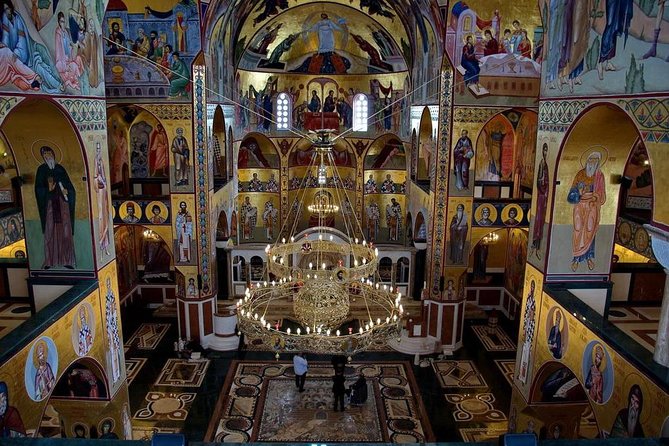
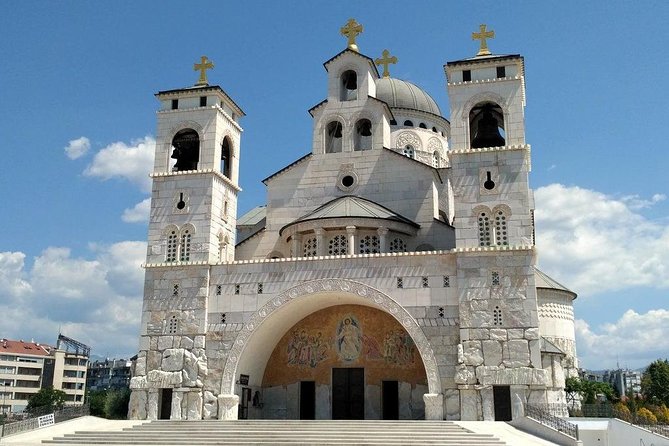
The second stop changes the mood completely. The Cathedral of Christ’s Resurrection, known locally as Saborni Hram Hristovog Vaskrsenja, represents the modern sacred face of Podgorica.
You get about 45 minutes here. That is enough to look at the building, take in its decoration, and hear how it fits into the city’s religious story. The church took 20 years to complete and used building techniques that had not been used for eight centuries, giving the stop an unusual link between present-day Montenegro and older Orthodox traditions.
I like this pairing with Dajbabe. One is an adapted cave, shaped by rock and devotion. The other is a major urban church built with a deliberate reference to older methods. Seeing both helps you avoid reducing Montenegrin religious architecture to one style.
The cathedral is also useful for understanding Podgorica itself. The city is not only a base for excursions. It has its own modern religious landmarks, and this church gives you a clear example.
The scheduled visit is shorter than the monastery stops. If you prefer long periods for quiet prayer, photography, or close inspection, 45 minutes may feel brief. If you want a balanced day, the timing keeps the route moving.
Ždrebaonik, a monastery rebuilt again and again
The tour then heads toward Danilovgrad for Ždrebaonik Monastery. About an hour is planned here.
Ždrebaonik has a different kind of power from Ostrog. Its story is tied to repeated destruction. It was burned and demolished during each war that affected the area, yet it was rebuilt and preserved. The result is a monastery associated not only with worship, but also with endurance.
This is a women’s monastery, with a library, dormitories, and spaces where nuns make icons and souvenirs. Those details make the place feel active and human. You are not simply walking through an old stone site. You are seeing a religious community with work, accommodation, and daily responsibilities.
I would give this stop your full attention. It may not have Ostrog’s cliff setting, but it can offer a closer look at how a monastery functions. Your guide can also help explain the difference between visiting a historic religious building and entering a working spiritual community.
The tour includes no admission fees, but personal purchases are not included. If you want an icon or souvenir, bring money for your own expenses. Do not count on such items being part of the tour price.
Same bay, a completely different day out:
- Skadar Lake National Park: Guided Boat Tour to Kom Monastery
★ 4.5 · 49 reviews - Durmitor – Black Lake & Tara River Canyon – North Montenegro tour
★ 5.0 · 41 reviews - Private transfers from Podgorica Airport and city to Budva
★ 5.0 · 41 reviews - Podgorica Historic, Safari and Winery tour – Skadar lake and River Crnojevica
★ 4.5 · 39 reviews
Ostrog Monastery, the dramatic final stop
Ostrog is the reason many people look for this excursion. It is carved into steep rock at about 900 meters above sea level and is one of the best-known pilgrimage sites in the Balkans.
The visit is scheduled for about one hour and 40 minutes. That is the longest stop of the day, and rightly so. Ostrog is not just a photo stop. Its setting, religious importance, and steady flow of worshippers require time to absorb.
The site attracts people from different religious backgrounds because of its reputation for healing and spiritual change. You may find the atmosphere quiet and prayerful in one place, then crowded and busy in another. That contrast is worth expecting. A previous visitor specifically enjoyed the other monasteries but found the crowds at Ostrog difficult.
The route may include both the upper and lower sections of Ostrog, making the total count five religious sites if you treat those as separate monastery visits. The advertised itinerary lists Ostrog as one stop, so the exact time and access arrangement can depend on the day.
This is where comfortable shoes and patience matter most. The information provided says most people can participate, but it does not promise a completely step-free visit. If you have knee or mobility problems, tell the provider in advance. One guide helped a visitor with severe arthritis by arranging access at barriers and organizing breaks, but you should still discuss your needs before departure.
What the private vehicle adds to the day
The tour lasts about seven hours and includes an air-conditioned vehicle. Pickup is offered from your preferred location, and departures can be arranged from Podgorica, with an option from Kotor or Budva.
That flexibility is a real advantage in Montenegro, where you may be staying in one coastal town but planning a full inland day. A private pickup also means you do not need to find a meeting point or spend part of the morning reaching a bus departure.
The vehicle is more than a way to get between churches. Guides have used the driving time to explain Montenegro’s culture, society, religion, and history. Ivan, Tamara, Moawiyah, Lidia, and Darko have all been praised for their manner behind the wheel or in conversation, although driving style and guide assignment will vary.
The schedule is full. Four listed stops, or potentially five monastery visits if upper and lower Ostrog are counted separately, must fit into seven hours. Add road time, pickup, and any breaks, and you should not expect every stop to become an unhurried afternoon visit.
A lunch break has been arranged on some outings, and one guide organized both breaks and lunch for a visitor who needed extra care. Still, lunch is not listed as included. Treat it as a possible part of the day’s arrangement, not a prepaid feature, and budget for your own meal and drinks.
Is $132.53 a fair price?
At $132.53 per person, this is not the cheapest way to reach Ostrog. It can still be good value if you want a private vehicle, hotel pickup, a guide, and several sites in one day.
The price includes an air-conditioned vehicle and all fees and taxes. Personal expenses are extra. Since this is a private activity, only your group participates, which is a major difference from a standard shared excursion. You are paying partly for access to a flexible guide, not just transportation.
Value depends on your group size. One or two people may find the price high compared with a basic bus trip. A family or group can benefit more from the private format, especially if splitting the cost makes the per-person rate more reasonable.
The strongest value comes from the variety. A basic Ostrog outing may get you to the headline site, but this route adds Dajbabe, Ždrebaonik, and the cathedral. You also avoid planning separate transport between them.
Communication before the trip has not always been perfect. One person felt concerned by confusing pre-tour messages, though the pickup happened as expected and the day itself went well. I would confirm the pickup location, departure time, guide name, and whether lunch is planned before the morning of the tour.
The guides can shape the whole experience
A private monastery tour rises or falls with the guide. Here, the personal side has been a major strength.
Tamara has been praised for excellent English, clear explanations, careful driving, and thoughtful adjustments for individual needs. She has also offered extra advice about road trips around the coast, which can be useful if this is part of a longer Montenegro visit.
Ivan has been described as punctual, passionate about his country’s past, and unhurried. One outing included time by a lake for a break and a relaxed conversation about life in Montenegro. That gives you an idea of how the day can feel when the guide treats it as more than a checklist.
Moawiyah, also written as Moawiyah or Moawiah in different accounts, has been praised for safe driving, friendliness, and broad conversation. Lidia has provided Spanish-language guidance, and Darko has been described as polite and attentive with good English.
You cannot select a specific guide based on the information provided, so ask when booking if that matters to you. The experience is best for someone who values explanation and conversation as much as photographs.
Who should book this monastery tour?
I would recommend it to you if you want to understand Montenegro through its religious buildings, prefer a private day, and do not want to arrange several inland visits yourself.
It suits:
- First-time visitors who want a broad introduction to Podgorica and nearby monasteries
- Couples, families, or small groups who value private transport
- People interested in Orthodox Christian architecture and living religious traditions
- Visitors staying in Podgorica, Kotor, or Budva who want a full inland excursion
- Anyone who wants a guide who can adjust the pace and provide cultural context
I would hesitate if your main goal is a slow visit to one monastery. The day covers a lot of ground, and the seven-hour schedule keeps things moving.
It may also be a poor match if you dislike religious sites, crowds, or car-based sightseeing. Ostrog can be busy, and the experience is built around churches, monasteries, spiritual history, and respectful observation.
Pickup is flexible, service animals are allowed, and the tour is near public transportation. Most people can participate, but anyone with serious mobility concerns should explain their needs before booking.
Cancellation and weather details
You can cancel for a full refund up to 24 hours before the start time. Changes or cancellations made less than 24 hours before departure are not accepted for a refund.
The tour requires good weather. If poor weather causes cancellation, you will be offered another date or a full refund. Confirmation is sent within 48 hours of booking, subject to availability.
Should you book it?
Book this tour if you want Ostrog plus the lesser-known stops, rather than a simple ride to Montenegro’s most famous monastery. The private vehicle, flexible pickup, and guides who can adapt the day add real value, especially for families, older visitors, and anyone who wants detailed explanations.
Before paying, confirm the departure point, guide, expected access at Ostrog, and lunch arrangements. If the timing works for you, this is a strong way to connect Podgorica’s modern cathedral, Dajbabe’s cave sanctuary, Ždrebaonik’s working convent, and Ostrog’s cliffside pilgrimage in one well-filled day.
FAQ
Where does the tour start?
Pickup is offered from your preferred location. The tour is available from Podgorica, with an option for departure from Kotor or Budva.
How long does the tour last?
The experience lasts approximately seven hours.
How much does the tour cost?
The stated price is $132.53 per person.
Is this a private tour?
Yes. Only your group participates in the activity.
What is included in the price?
An air-conditioned vehicle, all fees, and all taxes are included.
Are meals included?
No. Personal expenses are not included. A lunch break may be arranged during the day, but the meal is not part of the stated inclusions.
Which monasteries and churches are visited?
The route includes Dajbabe Monastery, the Cathedral of Christ’s Resurrection in Podgorica, Ždrebaonik Monastery, and Ostrog Monastery. Upper and lower Ostrog may be treated as separate monastery visits.
Can I bring a service animal?
Yes. Service animals are allowed.
What happens if the weather is poor?
The experience requires good weather. If it is canceled because of poor weather, you will be offered a different date or a full refund.
Just added around Podgorica
- NORTH TOUR Np Biograd Gora-Lake-Moraca Canyon & Monastery-Kolasin★ 5.0 · 3 reviews
- Private Montenegro Tour – Cetinje, Kotor & Budva visit★ 4.5 · 3 reviews
- From Virpazar: Visit Karuč, the hidden pearl of Lake Skadar★ 5.0 · 3 reviews
- Jeep tour in National park Lovcen★ 4.5 · 3 reviews
- Balkan pita making culinary experience★ 5.0 · 3 reviews
- Durmitor NP private tour- Among Katuns, Shepherds and Geological Miracles★ 5.0 · 3 reviews
- Wine tour- Family winery visit, food tasting & Skadar Lake boat cruise★ 5.0 · 4 reviews
- Transfer Podgorica Airport-city center★ 5.0 · 4 reviews
Podgorica Tours, compared.
Skadar Lake National Park Guided Boat Tour with Wooden Boat
Read our review →
Best from our coast (Kotor bay, Budva, Sv Stefan, Skadar lake)
Read our review →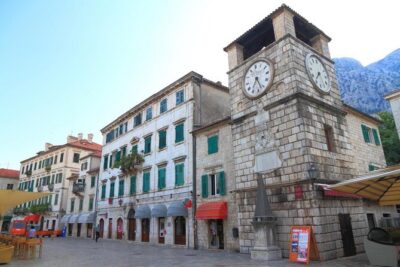
GREAT MONTENEGRO TOUR Cetinje – Njeguši – Kotor – Budva – Bečići – Saint Stefan
Read our review →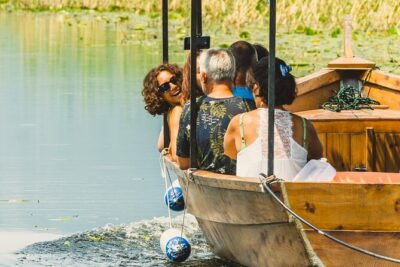
Skadar Lake National Park: Guided Boat Tour to Kom Monastery
Read our review →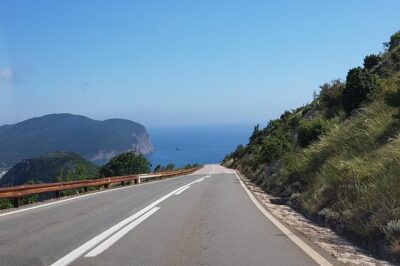
Private transfers from Podgorica Airport and city to Budva
Read our review →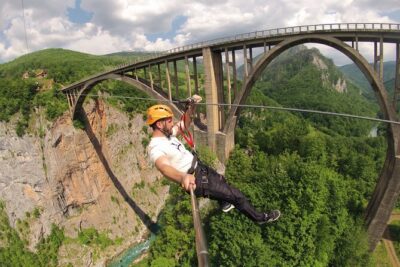
Durmitor – Black Lake & Tara River Canyon – North Montenegro tour
Read our review →
Podgorica Historic, Safari and Winery tour – Skadar lake and River Crnojevica
Read our review →
Private Full-Day Tour in Moraca and Tara Canyons, Durmitor & Biogradska Gora NP
Read our review →Browse the lists this tour appears in