
Reviewed · LOVĆEN & CETINJE TOURS
Cetinje City Tour
Cetinje packs Montenegro’s royal past into a compact old capital beneath Mount Lovćen. In about an hour, you’ll pass the Cetinje Monastery, Biljarda, King Nikola’s former palace, old embassies, and the main promenade, with a guide to connect the buildings to the people who shaped the country. I like the short walking route and the fact that your group gets a private guide. I also like that it covers both famous sights and easy-to-miss details, including Ćipuri Church and the monument to Ivan Crnojević. The catch is pace: one hour is brisk, and museum admission, food, and transport from your accommodation are not included.
Key points
- A compact royal capital: Most stops sit close together, making Cetinje easy to explore on foot.
- Cetinje Monastery leads the visit: This 1701 monastery is the town’s most important religious monument.
- Three museum-style stops: Biljarda and King Nikola’s Museum are central to understanding Montenegro’s royal and cultural past.
- Private English-language guiding: Only your group takes part, and guide Filip is named in the tour information as one possible local guide.
- Transport is not included: You meet in Cetinje and return to that same meeting point.
- Admissions cost extra: The guide and tourist tax are included, but entry fees, food, and drinks are not.
Why Cetinje deserves a place in your Montenegro plans
Cetinje is not Montenegro’s largest city, nor is it the easiest place to understand from a quick drive-by. Its value is historical. Founded in the 15th century, it became the center of Montenegrin political and cultural life and later served as the country’s royal capital.
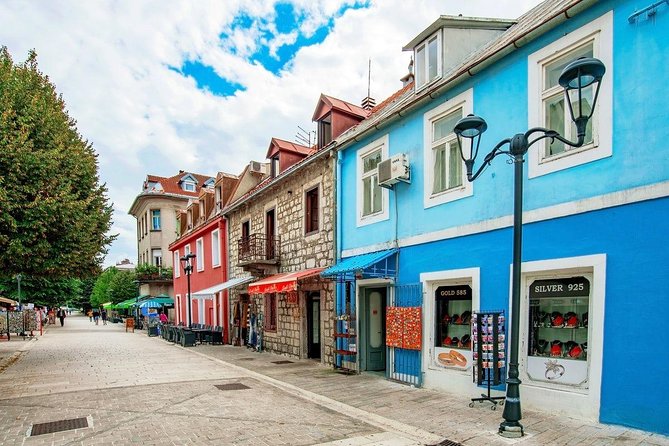
The town still feels like a city built around institutions. Former embassies, royal buildings, churches, museums, parks, and broad promenades sit within a small area. That makes this a useful tour for you if you want background before wandering on your own. A guide can explain why such a modest-sized town has so many official buildings.
I especially like the contrast between nature and architecture. Cetinje lies under Mount Lovćen, and the surrounding mountains give the town a strong sense of place. At the same time, the center carries the formal look of the 18th and 19th centuries, when diplomatic missions and royal buildings gave Cetinje its unusual character.
The town is not polished at every corner. One part may look worn, while the center can feel like a place that has changed slowly over the past several decades. That is part of its appeal, but you should not expect a perfectly restored museum town. This is a real small city with layers of age, not a themed historic set.
More Lovcen and Cetinje runs:
- Great Montenegro Tour-Lovcen NP,Mausoleum Lovcen,River of Crnojevic,Sveti Stefan
★ 5.0 · 637 reviews - GREAT MONTENEGRO TOUR Cetinje – Njeguši – Kotor – Budva – Bečići – Saint Stefan
★ 5.0 · 69 reviews - Private National Park Lovcen with food and wine tasting
★ 5.0 · 33 reviews
The one-hour route and what it means for you
The walk is divided into four parts. The first three focus on major religious and royal buildings. The final 30 minutes move through central Cetinje, linking the monuments together with a look at the Presidential Palace, Zeta House, and the main street.
That timing matters. Ten minutes at a site is enough for an introduction and a look around, but not enough for an unhurried museum visit. If you like detailed displays, read every label, or want time for photographs, you may need to return later. If you want a clear first orientation, the short format works well.
Because the activity is private, your group does not have to keep up with strangers. You can ask questions as you walk, though the one-hour schedule still keeps the route moving. The guide speaks English, and a local guide named Filip is associated with this experience.
Cetinje Monastery and Ćipuri Church
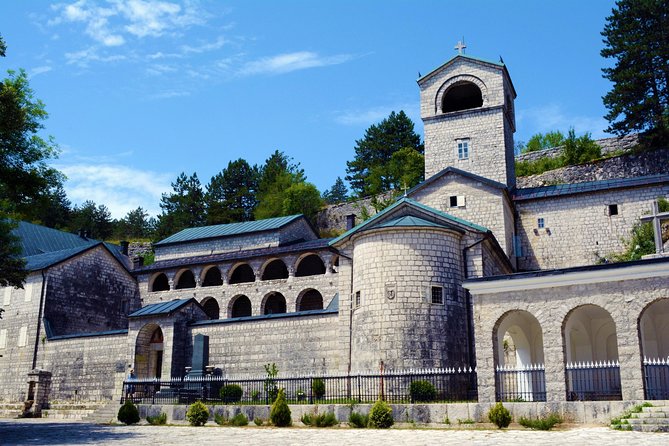
The tour begins with Cetinje Monastery, dedicated to the birth of the Virgin. Built in 1701, it is regarded as the town’s most important monument and gives the visit its spiritual starting point.
The monastery matters not only for its age. It represents the close connection between religious life and Montenegro’s political story. Cetinje grew as a center of the country, and the monastery remains the clearest symbol of that older capital.
Your visit also includes Ćipuri Church, with about 10 minutes set aside for the first stop. Admission is listed as free, but dress and behavior rules at the monastery should be taken seriously. The supplied tour information specifically notes that monastery rules must be respected, so dress modestly and follow instructions from staff.
This is also a place where a guide adds real value. Without context, you might see a church and a monastery, take a few photos, and move on. With an explanation of their role in Cetinje, the buildings become part of a wider story about faith, authority, and national identity.
Do not expect a long religious tour at this point. The schedule is tight, and the guide may need to keep you moving to cover the royal buildings later.
Biljarda, Njegoš’s former residence
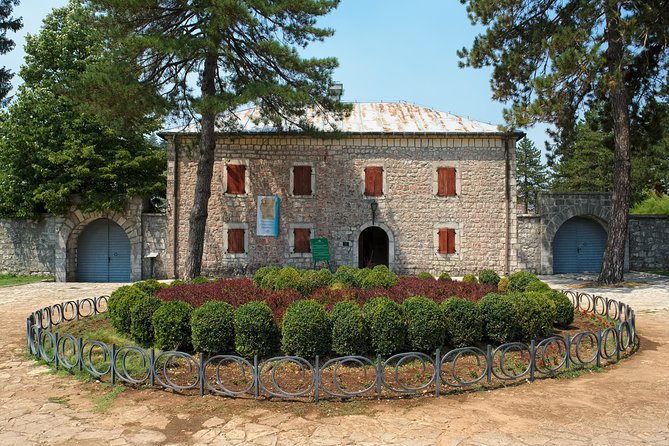
Across the central area, the tour stops at Biljarda, the former residence of Petar II Petrović Njegoš. Njegoš is one of the key figures connected with Montenegro’s political and cultural life, and his former home gives you a more personal look at the old capital.
The building is described as an important architectural monument of Cetinje. Its name is linked to a billiard table associated with the residence, a small detail that helps make the place easier to remember than a simple date or title.
The visit lasts about 10 minutes. Admission is not included, so check the current entry charge when you arrive. The tour price covers the licensed English-speaking guide and tourist tax, but not local site tickets.
I would treat Biljarda as a focused introduction rather than a complete museum visit. You’ll get the building’s importance and its place in Njegoš’s story, but you may want additional time if you care about interiors, objects, or written displays. The short stop is best for first-time orientation.
A few more Budva half-days to weigh up
- 1-Hour Guided Lipa Cave Adventure in Montenegro
★ 5.0 · 342 reviews - Budva Bay: Kayak & SUP Tour to Coastal Caves
★ 5.0 · 217 reviews - Bečići Standard Paragliding Montenegro /All-inclusive
★ 5.0 · 155 reviews - Tandem paragliding in Budva /All-inclusive
★ 5.0 · 86 reviews
King Nikola’s Museum and the royal era
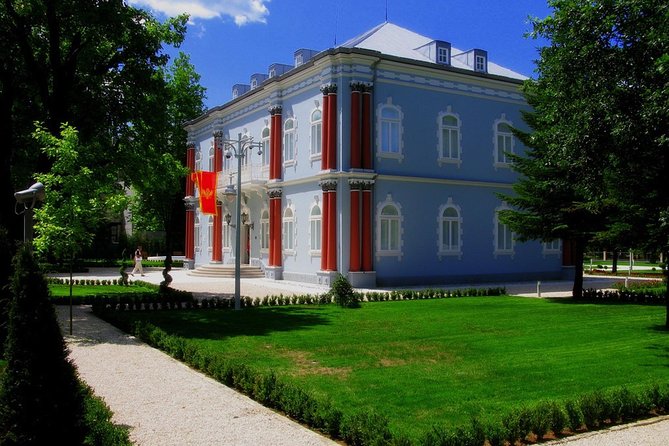
Immediately across the street is King Nikola’s Museum, housed in a building dating from 1867. This stop shifts the story from Njegoš’s residence to the later royal period under King Nikola.
The museum helps explain why Cetinje has such a distinctive collection of formal buildings. During King Nikola’s reign, embassies from several countries were established in the city. Those diplomatic buildings, together with royal residences and public institutions, changed the appearance of Cetinje and gave the center an international feel.
Again, the planned time is about 10 minutes, and admission is extra. That is enough to see the main setting and hear the guide’s explanation, but not necessarily enough to study every room.
Photography may be restricted inside the palace museum, so ask before taking pictures. This is a small point, but it can save you an awkward moment and help you focus on the displays rather than rushing to document them.
If the museum is open and you want more than a quick look, consider returning after the walking tour. The private guide can give you a framework first, then you can spend your own time with the collection.
The Presidential Palace, Zeta House, and Ivan Crnojević
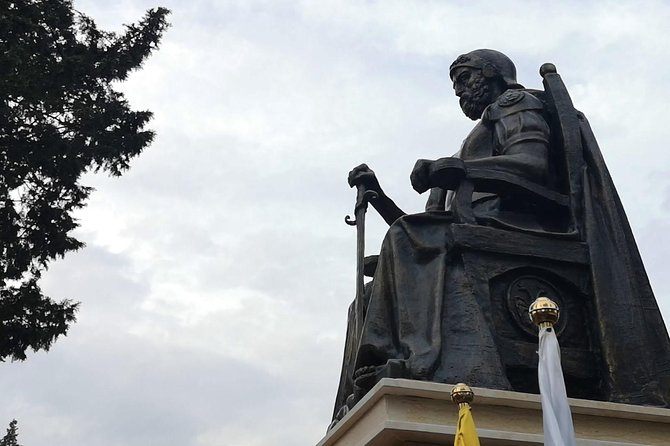
The last section takes about 30 minutes and is the most relaxed part of the route. You’ll see the Presidential Palace, the Royal Theater known as Zeta House, and the monument to Ivan Crnojević, the Zeta ruler credited with founding Cetinje.
These stops are important because they connect the town’s older foundations with its later public life. Ivan Crnojević represents the beginning of Cetinje’s role as a center of power. The Presidential Palace and Zeta House show how that role continued through government, ceremony, and the arts.
The guide also leads you along the main street. This is where Cetinje’s character comes through best. You get greenery, old architecture, promenades, and a sense of how close everything is. The center is small enough that the walk feels manageable, with no long transfer between the headline sights.
I like this final section because it prevents the tour from becoming a string of indoor stops. You see buildings in relation to one another, rather than as isolated museum entries. You also get time to notice the ordinary side of Cetinje, including areas that may look less maintained than the central monuments.
The tour ends back at the meeting point in Cetinje. That makes it easy to continue exploring independently, but you need to arrange your own ride back to Budva or your accommodation.
What the $115.50 price really covers
At $115.50 per person, this is not a low-cost sightseeing walk. The value depends heavily on your group size and on how much you want a private guide.
The fee includes a licensed English-speaking guide and tourist tax. The private format is the strongest part of the price. If several people in your party share the experience, the cost per person may feel more reasonable, especially since group discounts are listed as an available feature.
The price does not include transport from where you are staying, museum entrance fees, food, drinks, or optional travel health insurance. You therefore need to budget for getting to Cetinje and for the two paid museum stops.
That missing transport is especially important if you are based in Budva. The tour location is listed as Cetinje, not Budva, so this is not a door-to-door excursion. You arrange your own way to the start and back afterward.
I would book it for the guide and structure, not for included attractions. If you already plan to visit Cetinje and want a local explanation, the cost buys a clear route and private attention. If you only want to stroll the main street and look at the buildings from outside, the price may be harder to justify.
Who will get the most from this tour
This experience suits you if you want a short historical introduction to Cetinje rather than a full-day museum program. It is also a good match if you have limited time and prefer a guide to organize the most important sights.
Families, couples, and small private groups can benefit from the format. Most people can participate, and service animals are allowed. Since the route is on foot and includes museums, churches, monuments, and a main-street walk, you should be comfortable moving between several nearby stops.
History fans may find the one-hour limit too short. The town has enough museums and buildings to fill much longer, especially if you want to visit the State Museum, Ethnography Museum, Historical Museum, Art Museum, or other collections in the wider museum city. Those extra stops are not promised in this tour, so do not assume they are part of the route.
The experience also depends on weather. It requires good conditions, and poor weather can lead to a different date or a full refund. Since the final section is outdoors, a dry day will make the promenade and architecture more enjoyable.
Practical points before you book
The listed meeting point is in Cetinje Municipality, and the activity ends at the same place. Since no transfer is included, plan your arrival carefully and leave enough time to find the meeting point.
The stated opening schedule reads Monday through Saturday from 12:00 AM to 11:30 AM. That is an unusual time range for a city walk, so confirm the exact start time when booking. The tour duration is approximately one hour, and the supplied schedule places the experience in the morning.
You receive confirmation at booking. Museum tickets are not included, and the experience is non-refundable or changeable once purchased, except when poor weather causes the operator to cancel. In that case, you are offered another date or a full refund.
Bring modest clothing for the monastery and be prepared for a quick pace. If photographs matter to you, ask about restrictions inside King Nikola’s Museum. You can also plan to stay in Cetinje after the tour and explore additional museums independently.
Should you book the Cetinje City Tour?
I would book this tour if you want a private, guided introduction to Montenegro’s former capital and you are already arranging your own transport to Cetinje. The route covers the monastery, Njegoš’s residence, King Nikola’s museum, major public buildings, and the central promenade in a tidy one-hour package.
I would skip it if your main goal is extended museum time or if you expect transport from Budva to be included. In that case, arrange a longer visit or confirm whether a separate transfer is available.
For most first visits, the best reason to book is the guide’s local context. Cetinje is compact, but its buildings carry more meaning than their size suggests. Use the hour to learn the town’s basic story, then stay longer if the museums catch your interest.
FAQ
Where does the Cetinje City Tour start?
The tour starts in Cetinje Municipality, Montenegro.
Where does the tour end?
The activity ends back at the meeting point in Cetinje.
Is transportation from Budva included?
No. Transfer from your accommodation or place of stay to Cetinje is not included.
How long does the tour last?
The tour lasts approximately one hour.
What is included in the tour price?
The price includes a licensed tourist guide in English and the tourist tax.
Are museum entrance fees included?
No. Entrance fees for local sites, including the paid museum stops, are not included.
Is the tour private?
Yes. This is a private activity, so only your group participates. Group discounts are also listed as available.
Just added around Budva
- Budva City Tour★ 5.0 · 3 reviews
- Kotor’s serpentines, Skadar Lake & Horseshoe Bend of Montenegro★ 5.0 · 3 reviews
- Private Tour: Montenegro Day Trip from Dubrovnik★ 5.0 · 3 reviews
- Private Transfer from Budva to Podgorica Airport and city★ 5.0 · 4 reviews
- Paragliding in Budva with Certified Pilot (Free Pick-Up Included)★ 5.0 · 6 reviews
- Krapina Canyoning Adventure – Budva★ 5.0 · 6 reviews
- Canyoning Budva Drenovstica★ 5.0 · 6 reviews
- Private Boat Tour and Fishing Experience in Montenegro★ 5.0 · 7 reviews
Lovćen & Cetinje Tours, compared.
Great Montenegro Tour-Lovcen NP,Mausoleum Lovcen,River of Crnojevic,Sveti Stefan
Read our review →
GREAT MONTENEGRO TOUR Cetinje – Njeguši – Kotor – Budva – Bečići – Saint Stefan
Read our review →
Private National Park Lovcen with food and wine tasting
Read our review →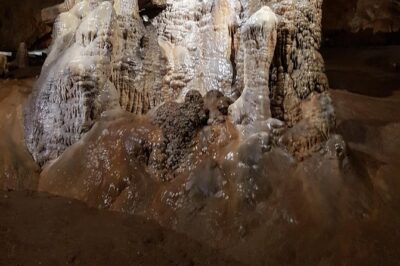
National Park Lovcen and Lipa Cave (Private tour)
Read our review →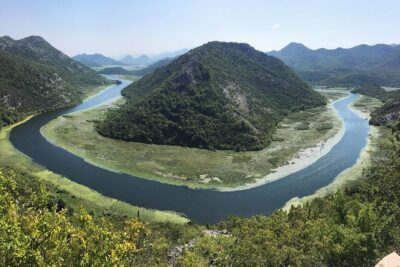
National parks and wine tasting (NP Lovcen, NP Skadar lake, Cetinje, Njegusi)
Read our review →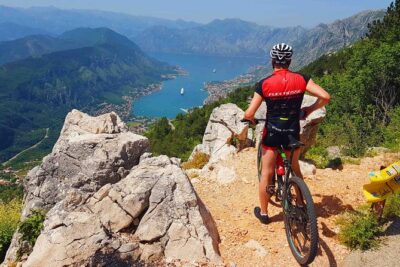
Cable car + Electric MTB from Njegos Mausoleum to Kotor bay
Read our review →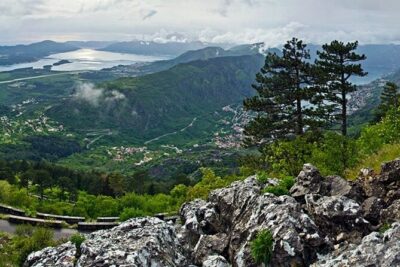
Lovcen – Symbol of Montenegrin Freedom including Budva & Cetinje
Read our review →
Wine tasting and magical tour from Kotor, Budva, Tivat (Lovcen,Skadar lake)
Read our review →Browse the lists this tour appears in