

Reviewed · KOTOR TOURS
Olive oil farm to fork experience & short walking tour of Kotor
More than a sightseeing stop, this is a look at how Montenegro’s olive-growing tradition still fits into daily life. You’ll walk among nearly 1,000 trees, see a 150-year-old mill, then compare it with the family’s modern anaerobic press before sitting down to eat what the estate produces.
I like the combination of Daniel and Lisette’s short Kotor walk with a visit that feels personal rather than staged. I also like the food: homemade prosciutto, cheese, sausages, salad, olives, bread, olive oil, and apple pie make this much more than a tasting. The main drawback is the price, especially for a couple or small group, and the five-hour schedule leaves little room for a longer Kotor visit afterward.
Key points to know before booking
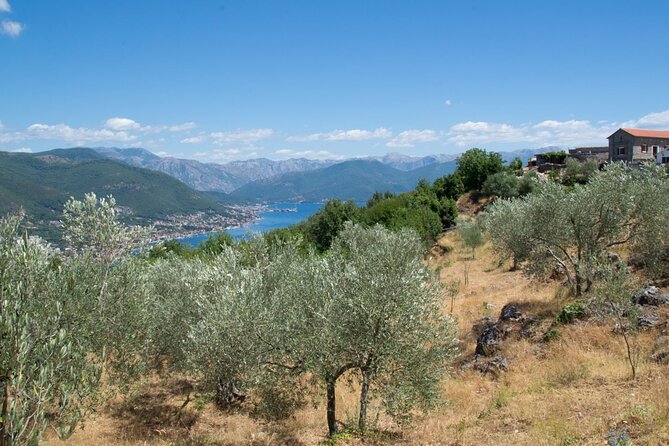
- Nearly 1,000 olive trees: Walk through an estate with trees that are often centuries old.
- Two olive-making methods: See the authentic 150-year-old mill and the family’s newer anaerobic press.
- Daniel and Lisette lead the Kotor portion: The guides add local history and a short orientation walk before the farm visit.
- A real family meal: Expect homemade cheese, prosciutto, olives, bread, olive oil, and other local foods.
- Private transport and pickup: Your group of up to six can be collected in Kotor Old Town or at the port.
- Five hours, with a high group price: The $863.54 cost is shared by the group, making it more sensible for four to six people.
From Kotor’s stone lanes to Luštica’s olive groves
The experience begins in Kotor, where Daniel and Lisette provide a short walking tour of the old town. This is not designed as a full city tour. Think of it as a useful introduction before you leave the walls and head toward the countryside.
That format works well if you are arriving in Kotor for a short stay or from a cruise ship. You get a quick sense of the city, its past, and its setting, then spend the larger part of the day on a family farm. One recent itinerary also included a drive to a good harbor viewpoint, although that extra stop should not be treated as the central promise of the experience.
If you meet in the Old Town or at Kotor port, the guide holds a sign with your name. Pickup is a practical perk, particularly if you are carrying bags, arriving by ship, or do not want to sort out transport on your own.
The walking portion is short, so book this with the right expectation. If your main goal is to see Kotor Cathedral, the walls, museums, and every lane in the Old Town, you will need additional time before or after the tour. If you want a brief city introduction paired with a country outing, the balance is much better.
A few more Kotor half-days to weigh up
- Mussel & Oyster Farm with Perast visitation Private Tour
★ 5.0 · 5 reviews
Why the Luštica region matters
The olive farm is in the Luštica region, an area with more than 2,000 years of olive cultivation and oil production. That long continuity gives the visit its point. You are not simply tasting a fashionable food product. You are seeing one of the basic ingredients of Montenegrin cooking in the place where it is grown and made.
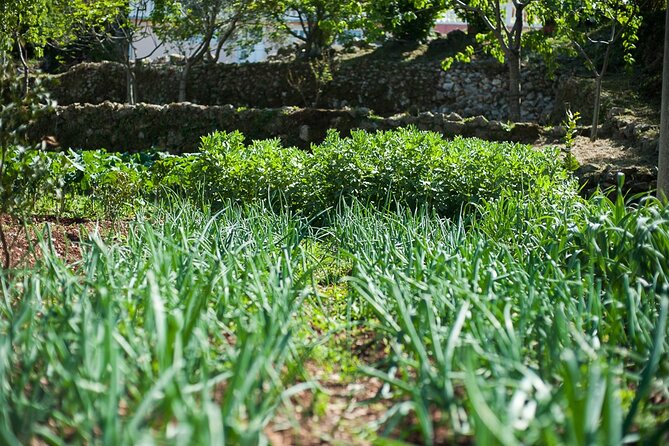
The family has owned its estate for about 200 years. Nearly 1,000 olive trees grow across the property, and many are centuries old. The age of the trees is not just a talking point. It helps you understand the time scale of olive farming, where a family may plant trees for people several generations away.
You will also see that the estate is more than an olive business. The family grows vegetables and keeps animals, giving you a glimpse of a broader rural way of life. The setting invites a slower pace: walk through the trees, listen to the explanation, then sit down with food and a drink.
This is the kind of stop I value because the story comes from the family’s own home and work. You are not only looking at equipment behind glass. You are meeting the people who maintain the property and make a living from it.
The old 150-year-old mill
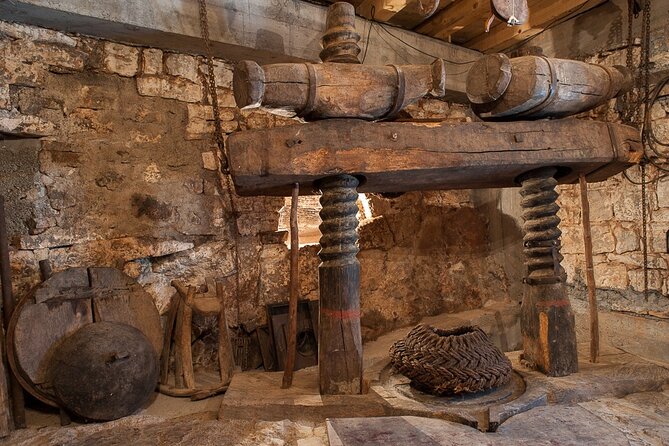
One of the most unusual parts of the visit is the authentic 150-year-old olive mill. You will learn how oil was produced in the older system and how that method shaped work on the farm.
The old mill offers useful context even if you have already visited modern food-production sites. It shows the physical effort and traditional tools that once went into a product now sold in sleek bottles. The age of the mill also connects the family’s current work with the history of the house and property.
The explanation is likely to be more interesting than a quick photo stop. Ask questions about how the old method worked, how long it took, and what changed when the family adopted newer machinery. The supplied details do not specify every technical stage, so the depth of the discussion may depend on the conversation you have with Ilija, the person behind the estate and oil business.
The old mill is also a reminder that tradition is not always the same as quality. It is valuable because it shows where the process came from, not because older equipment automatically produces better oil.
The modern anaerobic press and a changing way of life
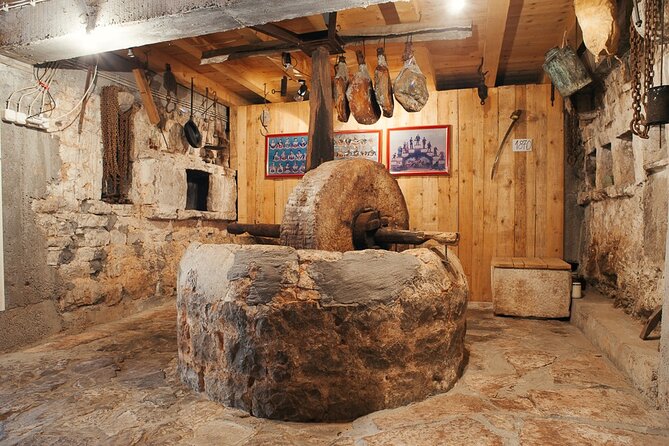
After the traditional mill, you see the newer olive press, which uses anaerobic production. The contrast gives the visit a clear storyline: old equipment, new technology, and the effect of that change on a working family.
You will hear how the modern press changed the family’s lifestyle. That detail matters. Many farm visits explain machinery but skip the human side. Here, the equipment is tied to time, labor, and the way the household operates.
The experience does not present modernization as a simple replacement of the past. Instead, you can see both systems and ask why the family decided to change. The modern process may help with efficiency and daily work, while the old mill keeps a physical link to earlier generations.
If you are interested in food production, this is likely the strongest educational part of the tour. If your interest is mainly scenic photography and lunch, the machinery explanation may feel longer than necessary. The five-hour length gives the guide room to explain the process without rushing, but your enjoyment will depend on how much you like learning how things are made.
More Walking Tours in Kotor:
- Kotor Old Town Walking Tour
★ 5.0 · 357 reviews - Private Walking tour with Wine and Food
★ 5.0 · 197 reviews - Kotor Old Town Small-Group Walking Tour
★ 4.5 · 148 reviews - Private Kotor Old Town Walking Tour
★ 5.0 · 64 reviews
Learning to taste olive oil properly
The olive oil tasting follows the production explanation, which is the right order. Once you have seen the trees, mills, and presses, you have a better reason to pay attention to color, aroma, flavor, and finish.
You will learn to notice differences and recognize quality rather than simply hearing that one oil is good. The supplied details do not name specific varieties or provide a formal tasting scorecard, so expect an informal, guided tasting rather than a technical certification course.
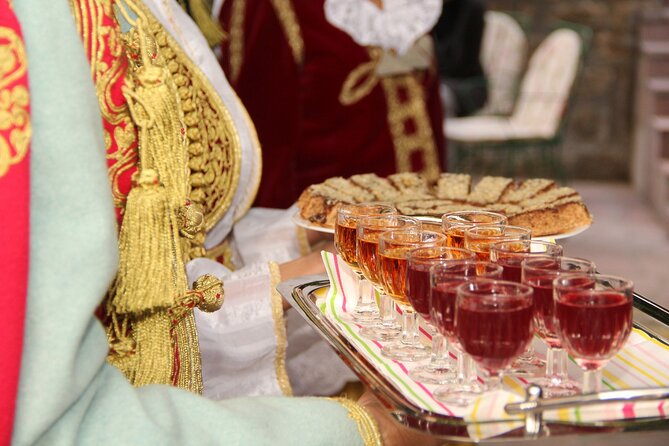
Bread and organic olive oil are part of the opening food service. This simple pairing lets the oil take center stage. You may also receive a welcome drink, including homemade cherry or grape brandy, before the meal begins.
Go slowly with the brandy. It is a homemade welcome drink, not a soft beverage, and the tasting and meal continue afterward. Wine is also included with the food according to the experience details and the menu described.
Sitting down to a homemade Montenegrin meal
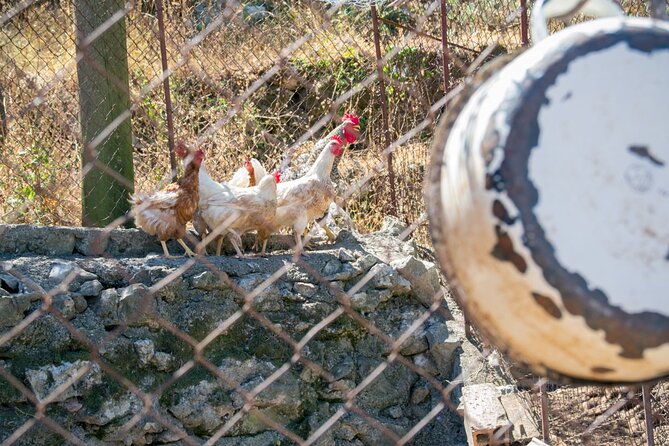
The meal is one of the strongest reasons to choose this experience. The family serves local food made in a home style, including smoked ham, bacon, sausages, homemade cheese, salad, bread, olives, and apple pie. The listed starter selection includes a welcome drink, organic olive oil, bread, cheese, prosciutto, and olives.
This is not presented as a restaurant lunch with a long printed menu. It is closer to a generous farm table, where the food helps you understand what the estate produces and what local hospitality looks like. The meal gives the visit a social center, not just a sequence of facts.
The food may be called a light lunch in the itinerary, but the combination of cured meats, cheese, bread, olives, drinks, and dessert can be satisfying. If you have dietary restrictions, ask before booking or as early as possible. The available information does not specify vegetarian, vegan, gluten-free, or allergy alternatives.
I especially like that the meal includes conversation with Ilija. You can ask about the family’s 200-year connection to the estate, olive growing, the oil business, or life in the area. That exchange is where the outing becomes more than a standard farm demonstration.
The value of a private group of up to six

The listed price is $863.54 per group, with up to six people included. At the full six-person capacity, that works out to about $144 per person. For four people, it is about $216 per person, and for two, roughly $432 per person.
Those figures make the group size important. I would consider the price more reasonable for a family or group of friends filling most of the six seats. For a couple, it is a major splurge, though the private format, pickup, driving, guide time, farm visit, tasting, and meal are all bundled together.
You are paying for more than transport from Kotor. The cost covers a private experience with a local guide, a short city walk, access to a family-owned estate, explanations of two production methods, an olive oil tasting, and food and drink. It is not the right choice if you only want a quick taste of local oil at the lowest possible price.
The private setup also means your group can set the tone. You can ask more questions, linger over the food, or keep the conversation moving. The tradeoff is that the price does not scale down well for small parties.
Timing, pickup, and the five-hour schedule
The experience lasts about five hours and is offered Monday through Sunday from 9:00 a.m. to 2:00 p.m. The listed operating dates run from October 4, 2025, through July 12, 2026.
That morning-to-early-afternoon timing suits a cruise stop or a day when you want to see something outside Kotor. It also leaves the later part of the day available, depending on actual driving time and the pace of your group.
Pickup is offered in Kotor. At the Old Town or port meeting point, the guide holds a sign with your name, which keeps the start simple. The activity ends back at the meeting point, so you do not need to arrange a separate return from the farm.
Because this is a private outing, confirm the pickup location clearly when booking. The provided information does not give a detailed driving time between Kotor and the estate, nor does it promise a fixed route beyond the Kotor walk and farm visit. Allow a little flexibility rather than scheduling a tight connection immediately afterward.
The activity requires a minimum number of participants to operate. If the provider cancels because that minimum is not met, you can choose another date or experience, or receive a full refund.
Who will enjoy this experience most
I would choose this for people who want food, family stories, and countryside alongside their Kotor sightseeing. It is a strong fit for groups of friends, families, and anyone curious about how olive oil moves from tree to table.
It also suits repeat visitors to Kotor. The short Old Town walk gives you some city context, while the farm provides something different from the usual fortress and waterfront circuit. One person who had visited Kotor before considered this the best tour of that stay, which makes sense if you have already covered the main historic sights.
Food lovers should pay attention to this one. The menu is built around products such as olive oil, cured meat, cheese, olives, bread, and homemade dessert. You get to taste the food in the same setting where much of the story began.
I would hesitate if you dislike long meals, farm settings, or explanations about machinery. The activity is not a rapid checklist of sights. Its pleasure comes from time spent walking, listening, tasting, and talking.
Small details that make the day work
Daniel received repeated praise for making the day fun and for adding insight into Kotor and its past. Lisette is also part of the guiding team and leads the short city portion. The combination gives the outing a friendly, personal feel rather than a purely scripted transfer.
The family’s pride in its home and mill is another part of the appeal. You are visiting an estate that has belonged to the same family for about two centuries, not a purpose-built attraction designed only for tours.
Service animals are allowed, and most people can participate. Since the visit includes walking among olive trees and moving around an old estate, wear comfortable shoes. That is practical advice rather than a stated rule, but it follows from the type of setting.
The experience currently has a perfect five-star rating from five published ratings. That is encouraging, especially since the praise focuses on specific elements: Daniel and Lisette, the old oil-making method, the family meal, the setting, and the personal welcome. Still, five ratings are a small sample, so I would treat the score as a positive sign rather than a guarantee that every group will value the same pace.
Cancellation and booking details
You receive confirmation when you book. Free cancellation is available if you cancel at least 24 hours before the local start time, with a full refund. Cancellations or changes made less than 24 hours before the start are not refunded or accepted.
The private activity is offered in English. Most people can participate, and service animals are allowed. If food allergies, mobility concerns, or special requirements matter to you, contact Kotor Private Tours before confirming, since the available details do not describe specific meal substitutions or accessibility arrangements.
FAQ
Where does the olive oil farm experience begin and end?
It begins in Kotor, Montenegro, and ends back at the meeting point in Kotor.
Is pickup available in Kotor?
Yes. Pickup is offered in Kotor Old Town or at Kotor port. The guide will hold a sign with your name at the meeting point.
How long does the experience last?
The experience lasts approximately five hours.
How many people can join the private tour?
The price covers one private group of up to six people. Only your group participates in the activity.
What food and drinks are included?
The food and drinks include a welcome drink, homemade cherry or grape brandy, organic olive oil, homemade-style bread, cheese, prosciutto, olives, and local food such as smoked ham, bacon, sausages, salad, and apple pie. Wine is also part of the meal described for the experience.
Can I cancel for a full refund?
Yes. You can cancel at least 24 hours before the experience start time for a full refund. Cancellations or changes made less than 24 hours before the start are not accepted, and the amount paid is not refunded.
Should you book this Kotor olive oil tour?
Book it if you want Kotor paired with a personal food experience, and if your group can share the high private price. The old mill, modern anaerobic press, centuries-old trees, and family meal give the day a clear sense of place.
Skip it if you want a cheap tasting, a full-length Kotor walking tour, or a tightly timed excursion with no rural stop. For a group of four to six, though, this is a thoughtful way to spend a morning: a little old town, a lot of local food, and a genuine look at how olive oil remains part of life in Montenegro.
Just added around Kotor
- Transfer Portonovi / Herceg Novi to Dubrovnik Old Town★ 5.0 · 3 reviews
- Hiking Vrmac peninsula with panoramic view on Kotor bay★ 5.0 · 3 reviews
- Enjoy Private Transfers by Car or Van from Tivat Airport to Kotor or Budva★ 5.0 · 3 reviews
- Blue Cave Adventure & Beach Time★ 5.0 · 3 reviews
- Wild Beauty of Montenegro – Private Tour★ 5.0 · 3 reviews
- Kotor – Budva – Kotor tour with English speaking driver★ 3.5 · 3 reviews
- Kotor walking tour and Jaz beach – private tour★ 5.0 · 3 reviews
- Special Montenegro: Lipa cave – Njegoš’s Mausoleum – Njeguši village – Cetinje★ 5.0 · 3 reviews
Kotor Tours, compared.
Kotor: Blue Cave Swim Stop, Lady of the Rocks & Submarine Base
Read our review →
Kotor: Boat Cruise with Blue Cave Swim and Submarine Base
Read our review →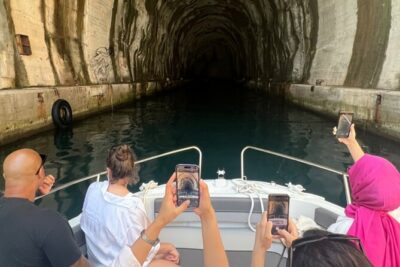
From Kotor: Boat to Blue Cave & Lady of the Rocks &Submarine Base
Read our review →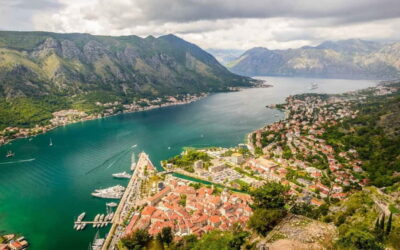
From Dubrovnik: Montenegro Day Trip with Boat Cruise
Read our review →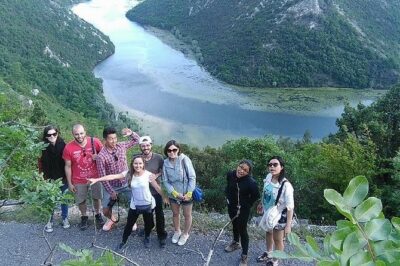
Great Montenegro Tour-Lovcen NP,Mausoleum Lovcen,River of Crnojevic,Sveti Stefan
Read our review →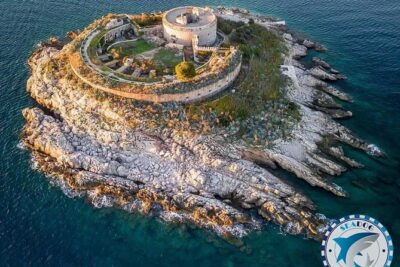
Blue cave, Mamula island, Submarine tunnels and Our lady of the Rocks (3h)
Read our review →
Blue Cave Kotor Swim, Mamula&Lady of the Rock 3 Hour Ticket Tour
Read our review →
Browse the lists this tour appears in